
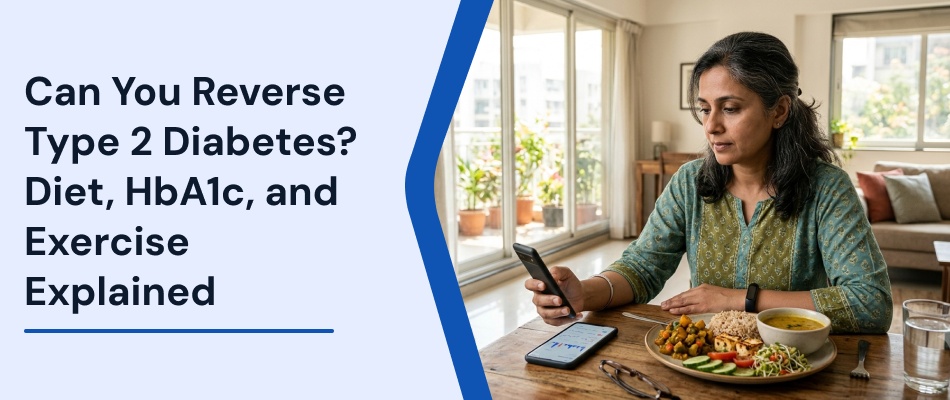
Reversal of type 2 diabetes is a common question. The honest answer is that some people can. They can bring their blood sugar back to a healthy level and keep it there without medicine. Doctors usually call this remission rather than a cure, because blood sugar can rise again if habits change. Many people also ask how to reverse type 2 diabetes naturally, and the answer naturally lies mostly in everyday habits.
To learn more about the basics of healthy eating and fitness, you can explore the Basic Course in Nutrition, Exercise and Preventive Health from the Institute of Nutrition and Fitness Sciences (INFS). .
Moreover, through its Clinical Nutrition focus, INFS uses preventive health education to help people understand how nutrition, physical activity, weight management, medication and regular monitoring can work together, without promising a one-size-fits-all solution.
What Does Remission Mean?
Remission means your blood sugar stays in the healthy range for a long time without diabetes medicine. Doctors measure this with the HbA1c test, which shows your average blood sugar over the past two to three months.
Whether remission is possible depends on several factors:
-
How long you have had diabetes
-
Your weight
-
Your genes
-
Your general health
Remission is not the same as being cured. Some people reach remission, while others still gain real benefits, such as better energy, better heart health and lower blood sugar, even if they do not reach remission. A steady drop in HbA1c is an important sign of progress, so ask your doctor to check it regularly.
Why HbA1c Matters
HbA1c gives a broader picture of blood sugar control than a single reading. It is used to diagnose diabetes and to monitor how well a treatment plan is working. A lower result is generally good, but your target should be set for you individually.
How to Lower HbA1c Naturally
Lowering HbA1c usually means making changes in daily life. These steps can help:
-
Eat more vegetables, pulses, whole grains and healthy fats
-
Cut back on sugary drinks, sweets and packaged snacks
-
Move your body most days
-
Sleep at regular times
-
Lose weight slowly, if you are overweight
Small changes add up over time. Simple lifestyle changes for diabetic patients are easier to keep when you add them one at a time.
Important: Never stop or change your diabetes medicine on your own, even if your HbA1c improves. If your food or activity changes a lot, your medicine may need adjusting, so work with your doctor.
Diabetic Remission Criteria and HbA1c
Here is a simple way to understand diabetic remission criteria with HbA1c:
-
Your HbA1c stays below a set level for at least three months
-
You are not using diabetes medicine during that time
-
You keep checking your blood sugar, because it can rise again
Your doctor can tell you if remission is possible for you and how to check it safely.
Best Diet for Type 2 Diabetes Reversal
There is no single diabetes reversal diet. The best eating pattern is one you can follow for years. It should be nutritionally adequate, realistic, and suited to your culture, preferences, health needs and daily life.
A simple plate works well:
-
Half: vegetables
-
One quarter: protein, such as dal, eggs, fish, tofu, paneer or chicken
-
One quarter: fibre-rich carbohydrates, such as roti, brown rice, oats or millet
Indian meals fit this easily. Try vegetables with dal and roti, rajma with a measured portion of rice and salad, or paneer or tofu with vegetables and a whole-grain side. Curd or unsweetened yoghurt also suits many people.
Eat Minimally Processed Foods
Focus on vegetables, pulses, whole grains, fruit, nuts, seeds and healthier fats. Cut back on sugary drinks, refined snacks, processed foods and unhealthy fats. Portion size and total energy intake still matter, even when the food is healthy.
Should Carbohydrates be completely removed from diet?
Not always. Carbohydrates are an important source of energy and nutrients. Pulses, whole grains, vegetables and fruit provide fibre, vitamins and minerals, and fibre aid in reducing the speed of sugar entering the blood.
The focus should be on the type and amount of carbohydrates. Cutting out carbohydrates entirely is hard to sustain for most people, and it can lead to returning to old habits. A balanced plate with high-fibre carbohydrates is usually easier to maintain consistently.
If you take insulin or medicines that can cause low blood sugar, speak with your doctor or dietitian before changing your carbohydrate intake. They can advise on suitable amounts and meal timing for your situation.
Weight loss in Diabetes Remission
Sustained weight loss can improve insulin sensitivity and blood sugar, and may increase the chance of remission. The amount of weight you need to lose varies, and not everyone reaches remission. Your plan should also address blood pressure, cholesterol, fitness, sleep and mental wellbeing .
Avoid Unsupervised Extreme Diets
Very-low-calorie and diet-replacement programmes are used only in structured clinical remission programmes. They are not suitable for everyone, so do not copy them from the internet. If you take glucose-lowering medicine, your dose may need adjusting when your eating changes substantially, so keep your doctor involved.
Exercise for Insulin Sensitivity and Diabetes
Exercise helps your body use blood sugar better. This improves insulin sensitivity, helping your cells absorb glucose more effectively. Two types of activity work well:
-
Cardio: brisk walking, cycling or swimming
-
Strength: light weights, resistance bands or body-weight exercises
Aim to build up to about 150 minutes of moderate activity a week, spread over several days. Add strength work two or more days a week if your doctor agrees. Start slowly and increase gradually. If you have foot, eye or heart problems, check with your doctor before you begin.
If you want to understand how strength and movement programmes are designed safely, this Certified Strength and Conditioning Coach course covers these principles in depth.
Visceral Fat Loss and Pancreatic Function
Visceral fat is the fat stored deep in your belly, around your organs. Too much of it can make it harder for your body to use insulin. Losing even a small amount of weight can reduce this fat and help your body respond better to insulin. Your pancreas is the organ that makes insulin. Its strength varies from person to person, so your doctor can check how it is working for you
What About Sleep, Stress and Daily Habits?
Poor sleep, chronic stress, long periods of inactivity and inconsistent routines can make healthy habits harder to maintain. A realistic plan includes regular meals, adequate sleep, daily movement and strategies that make behaviour changes easier to continue.
When Should You Seek Professional Support?
Anyone with diagnosed type 2 diabetes should work with an appropriate healthcare team rather than attempting medication withdrawal independently. Professional support becomes especially important when HbA1c changes quickly, blood glucose readings are frequently high or low, medication is being adjusted, pregnancy is involved, or complications are present. Regular eye, kidney, foot, blood-pressure and cardiovascular risk assessments remain important even when glucose control improves.
Conclusion
Type 2 diabetes can sometimes go into remission, but it is best managed as an everyday commitment. Eating mostly whole foods, moving your body regularly, building strength, sleeping well and keeping up with checkups all help keep your blood sugar steady. Even small changes can make a real difference over time. If you have diabetes, work with your doctor on your plan, and never change your medicine without their advice.
To build a deeper understanding of how food, movement and preventive care work together, explore the Diploma in Nutrition, Exercise and Preventive Health.
Disclaimer
The information in this blog is for general educational purposes only. It is not a substitute for professional medical advice, diagnosis or treatment. Always speak with a qualified doctor or healthcare professional before starting, stopping or changing any diet, supplement, exercise programme or hormone-related treatment, especially if you have an existing medical condition or take any regular medication .
Frequently Asked Questions
1. Can type 2 diabetes be reversed permanently?
Remission can last a long time, but it is not guaranteed forever. Blood sugar can rise again, especially if weight returns or habits change. Regular checkups are important.
2. What foods should Type 2 diabetics avoid?
Try to limit sugary drinks, sweets, packaged snacks and fried or highly processed foods. Choose whole foods more often. You do not need to cut out whole food groups completely. Vegetables, pulses and whole grains are good choices.
3. What are the first warning signs of type 2 diabetes?
Early signs can include feeling very thirsty, passing urine often, feeling tired, blurred vision and cuts that heal slowly. Many people have no signs at first, so a blood test is the only sure way to know. See a doctor if you notice these signs.
4. How long can it take to reverse type 2 diabetes?
It differs from person to person. Remission is checked over at least three months without medicine. Some people take much longer, and some may not reach remission at all. Your progress depends on your starting point, your weight, your medicines and how consistent you are.
5. What is the best diet for type 2 diabetes?
The best diet is a balanced, whole-food diet that you can keep up. Focus on vegetables, pulses, whole grains, protein and healthy fats. Limit sugary and processed foods. A dietitian can adjust this plan to suit your food habits, budget and medicines.
6. Can diet alone reverse diabetes?
7. Is exercise good for HbA1c?
8. Should I stop diabetes medicine if my HbA1c becomes normal?
9. What is the safety of fasting to reverse type 2 diabetes?
Not recommended without medical supervision. Skipping meals can cause dangerously low blood sugar, especially if you take insulin or some diabetes tablets. Fasting to reverse type 2 diabetes should only be done under close medical care.
10. What is the safety of fasting to reverse type 2 diabetes?
Not recommended without medical supervision. Skipping meals can cause dangerously low blood sugar, especially if you take insulin or some diabetes tablets. Fasting to reverse type 2 diabetes should only be done under close medical care.
11. What are the type 2 diabetes remission guidelines?
Remission means HbA1c stays below 6.5% for at least three months without diabetes medicine. Your doctor will check your blood sugar, weight and overall health to see if type 2 diabetes remission guidelines apply to you.
12. How does lifestyle management for diabetes help?
Lifestyle management for diabetes means healthy meals, regular activity, good sleep, stress control and steady weight management. These habits can improve blood sugar over time, but they work best alongside your doctor’s care.
13. What is the best diet and exercise for diabetes management?
Eat a balanced plate with vegetables, protein and fibre-rich carbohydrates. Aim for about 150 minutes of moderate activity a week, plus strength training two days a week if your doctor agrees. This is the core of diet and exercise for diabetes management.
14. Is reversing type 2 diabetes possible for everyone?
No. Reversing type 2 diabetes depends on how long you have had diabetes, your weight, your genes and your general health. Some people reach remission, and others still gain real benefits like better blood sugar and heart health.
15. What HbA1c level is considered remission?
References
-
World Health Organization. (2024). Diabetes. WHO fact sheet. https://www.who.int/news-room/fact-sheets/detail/diabetes
-
World Health Organization. (2026). Diabetes: Questions and answers. https://www.who.int/news-room/questions-and-answers/item/diabetes
-
American Diabetes Association, European Association for the Study of Diabetes, & international expert panel. (2021). Consensus report: Definition and interpretation of remission in type 2 diabetes. Diabetes Care, 44(10), 2438–2444. https://diabetesjournals.org/care/article/44/10/2438/138556/Consensus-Report-Definition-and-Interpretation-of
-
American Diabetes Association. (2025). Facilitating positive health behaviors and well-being to improve health outcomes: Standards of Care in Diabetes—2025. Diabetes Care, 48(Suppl. 1). https://diabetesjournals.org/care/article/48/Supplement_1/S86/157563/5-Facilitating-Positive-Health-Behaviors-and-Well
-
American Diabetes Association & European Association for the Study of Diabetes. (2022). Management of hyperglycemia in type 2 diabetes: A consensus report. Diabetes Care, 45(11), 2753–2786. https://diabetesjournals.org/care/article/45/11/2753/146789/Management-of-Hyperglycemia-in-Type-2-Diabetes-2022
-
NHS. (2025). Treatment for type 2 diabetes. https://www.nhs.uk/conditions/type-2-diabetes/treatment/
-
NHS England. (2026). NHS Type 2 Diabetes Path to Remission Programme. https://www.england.nhs.uk/diabetes/treatment-care/diabetes-remission/
-
World Health Organization. (2026). Healthy diet. https://www.who.int/en/news-room/fact-sheets/detail/healthy-diet