
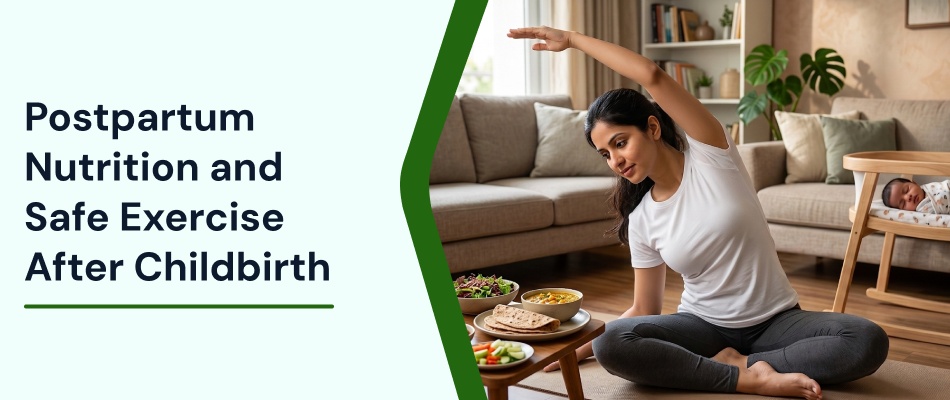
Your baby is finally here. Youre exhausted, your body feels completely different, and everyone seems to have an opinion about when you should "get your body back."
Give your body time. Healing and rebuilding strength happen at their own pace.
Recovery after childbirth is different for everyone. Whether you had a vaginal birth or caesarean section, your focus should be on nourishment, rest, and gradual movement. The Institute of Nutrition and Fitness Sciences (INFS) recognizes that postpartum recovery requires individualized care because every birth experience is different.
This guide covers postpartum nutrition and exercise in straightforward language, so you can support your recovery without confusion or unnecessary pressure.
A Note on Your Care:
Every birth story, body’s medical condition and recovery path is different. This guide offers some practical, science-backed education to support your healing, but it does not replace the personalized medical advice of your obstetrician, midwife, pelvic floor physiotherapist, or pediatrician. Always listen to your body and consult your maternity care team before beginning any new exercise or making major changes to your diet.
Why Your Postpartum Recovery Is Unique to You
After giving birth, your body has been through something significant. You may be healing from tears or a surgical incision. Youre managing blood loss. Your sleep is disrupted. If youre breastfeeding, your bodys energy needs are completely different.
Heres the key: theres no standard recovery timeline that fits everyone. Someone who had a straightforward vaginal birth may be ready for gentle movement sooner than someone who had a caesarean section, significant tearing, or complications like infection or high blood pressure.
This is why postpartum nutrition and exercise recommendations need to be personalized. Talk with your maternity care team about what makes sense for YOUR specific birth and recovery.
Food During Postpartum Recovery: Build Meals Around Healing
During the first weeks after birth, your job is simple: eat enough food to support healing. Not weight loss. Not "getting back to normal." Just eating enough.
A good postpartum recovery meal plan focuses on energy and nutrition variety rather than restriction. You need:
-
Protein – to repair tissues and support everyday energy. Include eggs, dal, beans, yogurt, paneer, tofu, fish or meat.
-
Carbohydrates – for steady energy. Rice, roti, bread, potatoes, oats.
-
Vegetables and fruit – for vitamins, minerals and fiber. Seasonal produce works perfectly.
-
Healthy fats – nuts, seeds, coconut oil, ghee.
-
Calcium-rich foods – curd, milk, fortified alternatives.
A simple postpartum recovery meal plan might look like:
-
Dal with rice and vegetables
-
Egg with roti and vegetables
-
Curd with fruit and nuts
-
Bean-based meals with fresh fruit
-
Whole grain bread with paneer and tomato
Iron, Protein and Nutrients After Childbirth
Two nutrients deserve special attention after birth: iron and protein.
Iron becomes important, especially if you had significant blood loss during delivery or struggled with low iron during pregnancy. Iron helps your body rebuild after blood loss and prevents fatigue. Good sources include pulses, beans, leafy greens, eggs, and meat. Pair plant-based iron sources with vitamin C foods like citrus, guava, tomatoes or amla, this helps your body absorb the iron better.
Protein supports tissue repair and helps you manage the physical demands of early motherhood. It doesnt need to be complicated. Regular meals with protein-rich foods throughout the day does the job.
Your healthcare provider may recommend blood tests or iron supplements based on your specific situation, dont rely on how you feel alone.
What About Supplements and Breastfeeding?
If youre breastfeeding, some nutrient needs actually increase. Calcium, vitamin D, vitamin B12, iodine and other minerals matter more during lactation.
The question: do you need supplements? It depends. Your healthcare provider can look at your pregnancy history, how much blood you lost, your diet, and whether youre breastfeeding to recommend what actually makes sense. People following vegan or restricted diets should definitely discuss vitamin B12 and other potential gaps with a qualified clinician.
Dont start high-dose vitamins, herbal products, fat burners or supplements without professional advice. Doses and safety vary, and what works for someone else may not be right for you.
Breastfeeding: Nutrition and Milk Supply
Breastfeeding can increase your energy needs, but the amount varies. Body size, activity level, age, and whether youre exclusively breastfeeding or combining with formula all affect how much extra you need.
A rough estimate from health experts: an extra 330-400 calories per day compared to before pregnancy for well-nourished breastfeeding mothers. But this is a general reference, not a strict target or a reason to track every calorie. Some days youll need more. Some days less. Listen to your body.
Nutrition for breastfeeding mothers should include:
-
Regular meals and snacks – skipping meals makes it harder to produce enough milk and maintain your own energy.
-
Variety – most people dont need to eliminate foods while breastfeeding. A varied diet is encouraged.
-
Hydration – drink water regularly, especially during feeds. But dont force excessive fluids thinking theyll boost milk supply. Regular drinking is what matters.
If milk supply is a genuine concern, or if your baby isnt gaining weight, or if you suspect food allergies, seek support from a lactation specialist or healthcare professional. They can give you individualized guidance.
Why Crash Diets Dont Work Postpartum
Youll see ads for postpartum "bounce-back" programs, detox products, and rapid weight-loss plans. Ignore them.
Strict dieting, meal skipping, detox products and rapid weight loss actually make it harder to recover and meet your bodys needs, especially if youre breastfeeding. These approaches drain your energy, affect milk supply, and delay healing.
Instead, focus on:
-
Regular balanced meals – three meals and snacks when hungry.
-
Adequate nourishment – enough food to fuel recovery and breastfeeding.
-
Hydration – regular water intake.
-
Rest – sleep when the baby sleeps. It matters.
Your body weight and shape are not the main measure of postpartum progress. Recovery, energy, strength, and mental wellbeing are what count.
Safe Workout After Childbirth: When Can You Start Moving?
Heres the truth: theres no magic number of days after which exercise automatically becomes safe. Recovery depends on your individual healing and symptoms, not a calendar date.
For someone who had a healthy pregnancy and uncomplicated vaginal birth, gentle activity like short walks may feel possible within days, if you feel ready. After a caesarean birth, significant tearing, or complications, your maternity medical care team needs to guide your timeline.
What Exercise is Safe Postpartum?
Start with gentle movement:
-
Walking – short walks around your home or neighborhood.
-
Gentle mobility – easy stretching and moving your joints.
-
Breathing exercises – intentional, calm breathing.
-
Pelvic floor exercises – if they feel comfortable and your healthcare provider recommends them.
These are your starting points. As healing progresses and symptoms stay settled, you can gradually increase duration before increasing intensity.
Pay attention to warning signs. If exercise causes pain, increased vaginal bleeding, pelvic heaviness, urine leakage, or a feeling of pressure or bulging, stop and talk to a healthcare professional.
How Many Days Postpartum Can I Exercise?
Theres no universal answer. It depends on:
-
What kind of birth you had.
-
Whether you have complications or pain.
-
How youre sleeping (or not sleeping).
-
Your mental wellbeing.
-
Your energy intake.
-
Previous training and fitness level.
A routine postnatal review with your maternity care team is a good time to discuss when movement can progress. But the appropriate timeline depends on healing and symptoms, not a specific week number.
Returning to Running and Intense Workouts
Running, jumping, intense intervals and heavy lifting demand more from healing tissues and your pelvic floor. Dont return to them just because:
-
A certain number of weeks have passed.
-
Your pre-pregnancy workout feels familiar.
-
Everyone else seems to be doing it.
Experts recommend an individualized, gradual approach that considers physical symptoms, pelvic health, sleep quality, mental wellbeing, energy intake and your previous training level. If youre interested in returning to running or high-intensity exercise, work with a healthcare provider or pelvic health specialist who can assess your individual readiness.
A Practical Daily Routine That Actually Works
Forget perfect schedules. Flexible routines matter more during early motherhood.
-
Make meals easy to assemble – dal with rice, eggs on toast, curd with fruit and nuts.
-
Keep nourishing snacks available – fruit, nuts, yogurt, bread.
-
Accept help – let others do shopping, cooking or meal prep when they offer.
-
Build movement gradually – start with what feels manageable. A brief walk. Some gentle stretching. Clinician-recommended pelvic floor work. Progress only when symptoms stay settled.
Rest is part of the plan, not laziness. Broken sleep, pain, feeding demands and mental health challenges all affect how much activity is realistic.
Warning Signs Post Pregnancy Recovery: When to Seek Help
Some symptoms need immediate medical attention. Dont assume theyre normal postpartum discomfort:
-
Chest pain or difficulty breathing.
-
Fainting or severe dizziness.
-
Severe or persistent headache with vision changes.
-
Fever.
-
Heavy or suddenly increasing vaginal bleeding.
-
Pain, swelling or redness in one calf.
-
These signal serious postpartum complications and need urgent assessment.
-
Contact your maternity care team promptly for:
-
Worsening wound pain (if you had a caesarean).
-
Persistent pelvic symptoms that arent improving.
-
Troublesome urine or bowel leakage that affects daily life.
-
Low mood or anxiety thats difficult to manage.
-
Exercise should never be used to push through warning signs.
Conclusion
Right after birth, the goal is simple: heal, rebuild your strength, and keep your energy up for your baby. Looking like you did before pregnancy can wait.
A safer recovery usually includes:
-
Balanced meals and regular fluids
-
Supplements only as advised by your healthcare provider
-
Gentle movement that matches how your body feels
-
Timely support from your healthcare team
Avoid:
-
Restrictive diets
-
Fixed return-to-exercise deadlines
Institutes like INFS train professionals to share this kind of practical, evidence-based guidance with new mothers. If you want to go deeper, explore INFS’s women’s health and nutrition course or the Basics of Nutrition, Exercise and Preventive Health.
Disclaimer
This article is for educational and informational purposes only and does not replace professional medical advice, diagnosis, or treatment. Always consult your obstetrician-gynecologist, midwife, pelvic health physical therapist, or qualified healthcare provider before beginning any new exercise routine, taking supplements, or making significant changes to your postpartum nutrition plan. Postpartum recovery timelines vary widely based on individual birth history, tissue healing, surgical interventions, and lactation demands.
If you experience severe warning signs including chest pain, shortness of breath, fainting or severe dizziness, sudden or heavy vaginal bleeding, fever, severe or persistent headaches with visual changes, or unilateral calf pain and swelling, seek emergency medical evaluation immediately. Never disregard or delay seeking professional medical advice.
Frequently Asked Questions
It is a gentle rest guideline for early healing: 3 days in bed (resting, feeding, and bonding), 3 days on the bed (sitting up and resting in your room), and 3 days near the bed (light movement close to your room). It keeps you off your feet so internal and pelvic tissues can heal. Keep in mind, this is just a supportive framework, not a rigid rule, every mothers situation and support system differ.
An extended rest framework spanning your first 15 days: 5 days in bed, 5 days on the bed, and 5 days around the bed. Minimizing prolonged standing during these first two weeks significantly reduces pelvic pressure, swelling, and early bleeding. These are practical guidelines rather than strict mandates; your actual daily activity will depend on your personal healing pace.
Initial healing of the uterus, stitches, and bleeding takes about 6 to 8 weeks, but full physiological recovery, abdominal remodeling, and pelvic floor strengthening typically take 6 to 12 months. Healing timelines differ widely for every woman depending on birth type, complications, and sleep.
A traditional practice (such as jaapa or the fourth trimester) dedicating the first six weeks purely to maternal rest, nourishing foods, and infant care while the family handles household chores. It aligns with the medical timeline for early uterine involution, though how strictly you follow it is a personal guideline that depends on your lifestyle and support.
Many mothers find weeks 2 through 8 (months 1 and 2) to be the most demanding due to steep hormonal drops, peak infant cluster feeding, and accumulated fatigue. However, postpartum journeys differ greatly, and challenging phases can shift depending on individual baby temperaments and recovery factors.
References
-
American College of Obstetricians and Gynecologists. (2020). Physical activity and exercise during pregnancy and the postpartum period (Committee Opinion No. 804).
-
American College of Obstetricians and Gynecologists. (2024). Exercise after pregnancy: Frequently asked questions.
-
Centers for Disease Control and Prevention. (2026). Maternal diet and breastfeeding.
-
Deering, R. E., et al. (2024). Clinical and exercise professional opinion on designing a postpartum return-to-running training programme: An international Delphi study and consensus statement. British Journal of Sports Medicine, 58(4), 183–195.
-
National Health Service. (2025). Keeping fit and healthy with a baby.
-
National Health Service. (2024). Your body after the birth.