
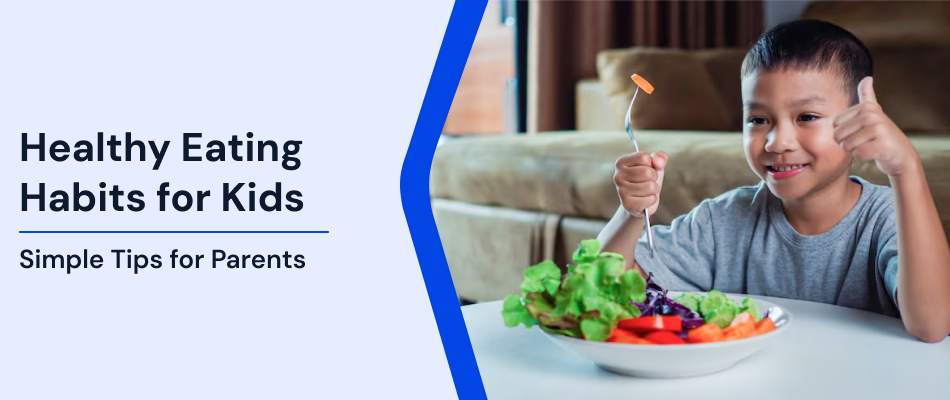
As parents, we all know this struggle. Developing healthy eating habits in kids can be challenging. Today in this blog the Institute of Nutrition and Fitness Sciences (INFS) is sharing some tips based on evidence-based strategies.
By understanding childhood food preferences, parents can establish sustainable healthy eating for kids. This guide breaks down the science of growth, tips for picky eaters, and daily requirements for children.
The Current Scenario: Modern Challenges to Healthy Eating Habits for Kids
Modern lifestyle has changed and impacted how children interact with food. Fast food accessibility, aggressive marketing, and screen time adversely affected the standard nutrition for children.
Recent data shows that childhood obesity and metabolic complications are rising. Processed food consumption among urban youth is at an all-time high.
The underlying causes are due to several modern environmental factors. Let us try and understand them better:
- Easy availability of calorie-dense convenience foods.
- Misleading food labels on sugary breakfast cereals.
- Decreased physical activity levels, along with increase in screen time.
- Busy family schedules that limit meal preparation time.
- Reversing this trend requires active education.
What Does a Balanced Diet for Kids Include?
Growing kids have high metabolic demands. They require a steady supply of specific micronutrients and clean energy. It is important that parents understand the best nutrition for growing children.
A nutritionally complete childhood framework includes:
- Macronutrient Balance: Clean protein for growth, complex carbs for energy, and healthy fats for the brain.
- Micronutrient Density: Sufficient calcium, iron, vitamin D, and zinc for bones and immunity.
- Hydration: Water as the primary fluid. Eliminate sugar-sweetened beverages entirely.
- Mindful Environment: Distraction-free and screen free meals. This allows kids to listen to internal fullness signals.
How to Build Healthy Eating Habits in Children?
Forcing a child to finish their plate backfires. It teaches them to ignore their stomach’s fullness signals. Instead, focus on creating a positive relationship with food through smart parenting habits.
Stop Using Food-as-a-Reward: Never offer dessert or treats as a prize for good behavior. This teaches kids that healthy food is boring and sugary food is the real reward. Instead, praise good behaviour directly. Instead sometimes offer non-food rewards like extra playtime or a trip to the park.
Keep Junk Food Out of the House : Dont stock packaged chips, cookies, sugary cereals, instant noodles, or aerated drinks in your house. If these foods arent at home, your kids cant reach for them. Simple. Instead, fill your kitchen with roasted chickpeas, dried fruits, nuts, whole grain crackers, and nut butters. When kids get hungry, theyll learn slowly to pick these nutritious options.
Use Calm, Structured Parenting: Research shows that a supportive yet structured approach reduces childhood obesity. Dont force your child to eat. Instead, let them listen to their own hunger and fullness signals. A simple way to do this: before serving more food, ask "Are you still hungry?" and respect their answer. This teaches them to self-regulate food intake naturally. This skill will last their whole life.
Children mimic the eating habits of the adults: Kids copy what their parents do. If you eat whole foods, your kids will too. Make it simple: you decide what food to serve and when meals happen. Let your child decide how much they want to eat. This gives them control and responsibility.
The Practical Kids Nutrition Guide for Parents
Nutrition needs change as kids grow. A toddler needs different foods than an adolescent does. Toddlers need softer, smaller portions and more frequent meals. Adolescents need more calories and protein for growth spurts
What Should Kids Eat Daily?
For Toddlers (1-3 years):
Serve three small meals and two snacks daily. Focus on soft foods they can chew easily. Include mashed dal with rice, scrambled eggs, soft chapati with ghee, mild curries with vegetables, yogurt, and fruit purees.
For Older Kids (4-12 years):
Serve three structured meals and two snacks. Include lean proteins like eggs, paneer, moong dal, chicken, or fish. Mix in complex carbs like brown rice, oats, whole wheat bread, or ragi. Add colorful vegetables : spinach, carrots, broccoli, tomatoes, and bell peppers.
For deeper insights into managing nutrition at different ages, explore the structured modules in the INFS Kids and Adolescent Nutrition Course.
How to Get Kids to Eat Vegetables?
Getting kids to eat vegetables takes time and patience. Its normal for kids to reject new foods: this is called food neophobia. Research shows kids may need 5 to 20 tries before accepting a new food, depending on their age. Dont pressure them.
Here are easy ways to help:
Try roasting vegetables to make them sweeter. Roasted carrots, beetroot, or broccoli taste better than boiled.
Let your child help wash and chop vegetables. Kids are more willing to eat what they helped prepare.
Mix vegetables into familiar foods. Add grated carrots or spinach to dals, rice, or flatbreads.
Serve vegetables with a homemade dip they like : yogurt with herbs or a simple peanut butter dip.
What Are Some Healthy Snacks for Kids?
Snack time is a chance to give kids good nutrition. Replace packaged chips and cookies with real food options.
Instead of chips: Try roasted chickpeas, roasted makhana (fox nuts), or home-fried potato and sweet potato cubes.
Instead of sweets: Offer sliced apples with peanut butter, a banana with almond butter, or seasonal fruit like mangoes and papayas.
Other great snacks: Whole milk yogurt with fresh berries, homemade oat muffins, boiled eggs, cheese cubes, or a handful of mixed nuts (for kids over 4 years).
Key Takeaways
- Model the behavior you want to see. Eat whole foods alongside your children.
- Avoid using food as a reward, punishment, or emotional coping mechanism.
- Practice covert control by keeping low-nutrient, high-calorie foods out of the house.
- Adopt an authoritative style. Respect your childs natural internal fullness signals.
Frequently Asked Questions
How to Stop Kids from Being Picky Eaters?
Picky eating is normal and usually temporary. The key is not to force it. Keep offering new foods without pressure. Ask your child to help cook or garden. Let them see, touch, and explore food without eating. Kids often accept new foods after multiple exposures. Stay patient and keep mealtimes calm and positive.
How to Deal with Kids Who Are Picky Eaters?
Dont cook separate meals for picky eaters : this reinforces selective eating. Instead, always serve one familiar food alongside new items at the meal. Let your child eat what they want from whats on the table. Avoid comments like "you never eat vegetables." Over time, theyll naturally try new foods when theyre ready.
How can I improve my kids nutrition habits?
Establish fixed meal and snack times. Structural routine prevents continuous grazing. This ensures children are genuinely hungry during balanced meals.
What constitutes proper nutrition for children on a vegetarian diet?
For a vegetarian diet, ensure adequate protein and iron intake. Include a variety of legumes, dairy products, nuts, seeds, and green leafy vegetables daily.
How to make kids eat healthy foods without arguments?
Give children structured choices, let them choose between two types of vegetables for dinner. This gives them a sense of autonomy. And since they get the satisfaction of choosing it, they are more likely to eat it without arguments.
What are the daily recommended sugar limits for kids?
Children over two should consume less than twenty-five grams of added sugar per day. This equals roughly six teaspoons.
What should you give kids to meet their calcium needs?
To satisfy their calcium needs you should include two to three servings of dairy products like milk, curd, or paneer daily. Ragi and fortified plant milks are also great options.
How to get kids to eat vegetables if they dislike the texture?
Experiment with different cooking methods. Try air-frying for crispness. You can also blend vegetables into smooth pasta sauces or grate them into flatbreads. Another way is to prepare vegetable and flatbread wraps.
What are some quick, portable healthy snacks for kids?
Some excellent portable yet healthy snacks are mixed nuts, foxnuts roasted in ghee, or boiled eggs. Carrot sticks paired with a simple yogurt dip also work well.
How do I know if my child is getting the best nutrition?
To know if your child is getting the best nutrition, track their energy levels and digestive health. Monitor consistent growth trends on official pediatrician growth charts rather than focusing on single meals.
Is a kids nutrition guide for parents sufficient for fixing extreme food aversion?
A nutritional food guide provides you with all the foundational tools. Severe food selectivity or sensory issues require direct evaluation. For specific issues you should always consult a pediatrician or a pediatric dietitian.
What is the 5-2-1-0 Rule for Kids?
Its a simple daily guide for healthy kids. Five means eat 5 servings of fruits and vegetables. Two means no more than 2 hours of screen time. One means at least 1 hour of physical activity or play. Zero means zero sugary drinks. This rule is easy to remember and helps parents build the right habits without being strict.
How to Teach Children About Healthy Eating Habits?
The best way is to do it yourself. Eat whole foods with your kids. Talk positively about nutrition : say "carrots help my eyes" instead of "eat your vegetables." Involve them in shopping, cooking, and meal prep. Read food labels together. Make it fun, not a lecture. Kids learn most from watching what their parents do, not from what they say.
Conclusion
Shifting a household toward sustainable nutrition requires a long-term approach. Respect your childs natural developmental stages. Focus on environmental changes, consistent routines, and positive behavioral modeling. This fosters a healthy relationship with food that lasts a lifetime.
INFS (Institute of Nutrition and Fitness Sciences) remains dedicated to equipping families with science-backed education. We aim to replace mealtime anxiety with structured, healthy habits.
Enroll in the specialized Kids and Adolescent Nutrition course to gain professional-grade strategies for optimizing ad health profiles.
References
Childhood Nutritional Requirements: World Health Organization Child Growth Standards
Dietary Guidelines for Families: Indian Council of Medical Research Food & Nutrition Portals
Pediatric Nutrition Frameworks: American Academy of Pediatrics Nutrition Policy Library
Behavioral Eating Research: CDC Child Nutrition and Growth Data
https://pmc.ncbi.nlm.nih.gov/articles/PMC8284196/