
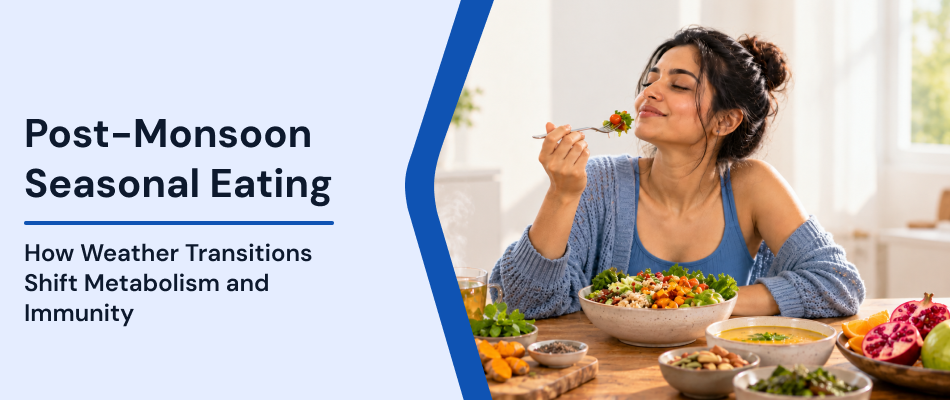
Ever noticed that you feel a little off once the rains finally stop? You are not imagining it. As the monsoon recedes, the air turns cooler and drier, and your body has to readjust quickly. This year, a strong El Niño and rising global temperatures have made these shifts harder to predict, so your body needs a little extra support.
The good news is that small, thoughtful changes to your post monsoon seasonal eating can make a real difference to how you feel. With science-backed guidance from the Institute of Nutrition and Fitness Sciences (INFS), you can adapt your daily meals to stay strong and energised. If you want simple, practical health tips for growing families, the INFS Kids and Adolescent Nutrition Course is a good place to start.
How Your Immunity Becomes Vulnerable During Seasonal Shifts
That post-monsoon slump is real. Most of us feel run-down once the rains ease, and this year’s unusually warm October has made the move into winter even less predictable. Your body is adjusting from hot, humid days to dry, cool air, and the temperature varies a lot during the day. Dry air also strips moisture from your nose and throat, weakening the natural barrier that keeps airborne germs out.
Many of us face the same problems during this transition: stomach bugs, viruses, changes in appetite and constant tiredness. Local hospital reports often show a sharp rise in seasonal colds and stomach upsets soon after the rains end.
However, building your preventive health training now gives you practical tools to deal with these issues.
What Happens Inside Your Body During Weather Changes?
To protect our health, we need to understand how weather shifts affect our bodies. When the air turns cool and dry, your body naturally adapts to your environment while maintaining steady internal balance.
Here are the main changes your body goes through during this time:
-
Weather Shifts: Lower humidity and cooler air create new environmental conditions for your body.
-
Physical Adaptation: In cold-chamber conditions, the body burns extra energy to stay warm, though daily mild weather changes have a much smaller effect.
-
Food Needs: Your stomach responds well to warm, simple, cooked foods that are hygienically prepared.
-
Gut Changes: The bacteria in your gut naturally shift based on the fresh, seasonal produce you eat.
-
Airway Moisture: Breathing dry indoor air can lower airway moisture, making hydration essential.
-
Nutrient Usage: Supporting your immune defenses relies heavily on having adequate supplies of zinc, vitamin C, and vitamin D.
Learning the basics through preventive health education helps us understand these physical signals. When you know what your body needs, picking the right daily foods becomes simple.
Preventive Health and Nutrition Habits for Stronger Immunity
A smooth seasonal diet transition for immunity and metabolism starts with small, steady changes rather than sudden shifts.
Rebuilding Your Digestive Strength
As the rainy season ends, support your digestive system with warm, gently cooked foods and strict food hygiene. Eat simple cooked vegetables, greens, and whole grains to help your body digest food easily while avoiding foodborne illness.
Good nutrition for gut health and digestion starts with simple, freshly cooked meals that are easy on the stomach.
Read more about using simple habits to stay healthy in our guide on evidence-based health coaching science.
Getting Enough Key Vitamins
Eating seasonal foods is a great way to support your body and health . Fill your plate with local pomegranates, pumpkins, sesame seeds, and dark leafy greens. These foods supply simple vitamins and minerals your body can use quickly:
-
Iron & Vitamin A: Found in spinach, dark greens, and pumpkins to keep your tissue oxygenation and immune health strong.
-
Zinc & Healthy Fats: Found in sesame seeds and beans to help build healthy immune cells.
-
Vitamin C: Found in fresh pomegranates and local citrus fruits to help support immune function during weather changes.
Staying Healthy Indoors
Air-conditioned offices and dry indoor air can dry out your skin and irritate your throat. To keep healthy, sip warm drinks, pick cooked foods over raw, give your stomach a proper 12-hour break between dinner and breakfast, use simple kitchen spices like turmeric and black pepper that support your immunity.
Key Takeaways
-
Post-monsoon weather changes require focus on food safety, nasal hydration, and immune strength.
-
Dry air can dehydrate your nose and throat, lowering your natural physical defense against colds.
-
Simple preventive health care keeps you feeling good before seasonal sickness can start.
-
Warm, cooked, nutrient-rich foods protect your gut far better than unhygienic or greasy snacks.
-
Simple courses from INFS give us practical tools to build healthy, easy daily habits.
Conclusion
Protecting your health through changing weather comes down to listening to your body. Simple health habits keep you energized all year long.
-
Switch to warm, cooked meals
-
Eat clean, local produce
-
Get good rest to keep your immunity strong
-
Keep your digestion strong with simple, home-cooked food
Are you ready to learn simple, practical health and nutrition tips? Explore the Basics of Nutrition, Exercise and Preventive Health at INFS to build real skills for healthy living.
Visit today to learn more and get started!
Disclaimer
The information in this blog is for general educational purposes only. It is not a substitute for professional medical advice, diagnosis or treatment. Always speak with a qualified doctor or healthcare professional before starting, stopping or changing any diet, supplement, exercise programme or hormone-related treatment, especially if you have an existing medical condition or take any regular medication .
Frequently Asked Questions (FAQs)
Q1: How does the weather shift after the monsoon affect my metabolism?
When the weather becomes very cold, your body uses a little more energy to stay warm. But this is different during the mild weather after the monsoon. The weight gain post monsoon is more likely due to less physical activity and eating richer foods.
Q2: Why is preventive health education helpful for seasonal eating?
Preventive health education helps you understand what your body needs to stay healthy. It also helps you plan your meals based on proper nutrition instead of following confusing advice online.
Q3: How can taking preventive health courses help my daily life?
Preventive health courses teach you about food, food safety, daily routines and healthy habits. These lessons help you take better care of your health as the weather changes.
Q4: Why do people often experience stomach upsets right after the rainy season?
Stomach problems after the monsoon are often caused by unsafe food, unclean water or vegetables that are not washed properly. Eating warm, well-cooked food can help prevent food-related illnesses.
Q5: What everyday foods support my immune system best right now?
Include warm cooked vegetables, simple lentil soups, healthy seeds and fresh citrus fruits in your meals. You can also use mild spices like ginger and turmeric.
Q6: Should we avoid raw salads after the monsoon?
You dont have to avoid raw salads completely. However, vegetables that are not washed properly may carry germs during and after the monsoon. Make sure they are cleaned well, or choose lightly cooked vegetables.
Q7: How does dry air affect my nose and throat?
Dry air takes away moisture from your nose and throat. This weakens their natural protection against germs. Drinking enough fluids and warm drinks helps keep these areas moist.
Q8: How can we adjust our childrens food after the rains stop?
Give children warm, home-cooked meals with enough protein, fresh fruits and properly washed vegetables. Limit cold sugary drinks and unhygienic street food, as these can cause stomach problems.
Q9: What are the main benefits of completing preventive health training?
Preventive health training teaches you how to plan healthy meals, understand health risks and build better daily habits. These skills can help you take care of your own health and guide others too.
Q10: Does weather change affect your immune system?
Yes. Dry air can make your nose and throat less moist, making it easier for germs to enter your body. Sudden changes in temperature can also put some stress on your body. Drinking enough water, eating healthy food and getting proper rest can help your immune system stay strong during these changes.
References
-
Seasonality of Respiratory Viral Infections – https://doi.org/10.1146/annurev-virology-012420-022445
-
A Review of Micronutrients and the Immune System–Working in Harmony to Reduce the Risk of Infection – https://doi.org/10.3390/nu12010236
-
Brown adipose tissue is involved in the seasonal variation of cold-induced thermogenesis in humans – https://doi.org/10.1152/ajpregu.00057.2015
-
Seasonal variation of diarrheal diseases and drinking water quality in resettlement colony in Delhi, India – https://doi.org/10.4103/ijph.ijph_1214_20
-
WHO: Five Keys to Safer Food Manual – https://www.who.int/publications/i/item/9789241594639
-
National Center for Biotechnology Information: Micronutrients and Immunity
-
Food Safety and Standards Authority of India: Food Safety Guidelines