
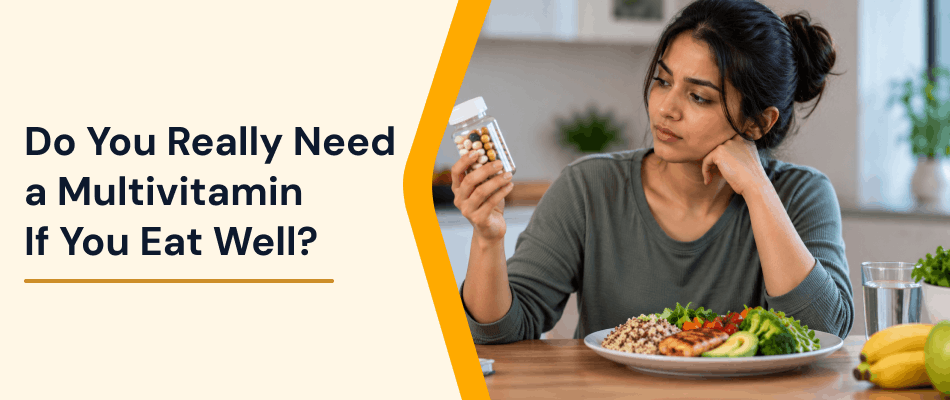
You take a daily multivitamin believing it keeps you healthy. For some people, it does. For others, evidence suggests it makes no difference
Despite multivitamin-mineral (MVM) supplements being an $11 billion global market, evidence does not support routine MVM use for well-nourished individuals eating balanced diets. Yet 40-50% of adults aged 50+ regularly take these products.
At the Institute of Nutrition and Fitness Sciences (INFS), this blog explores evidence-based answers: Are multivitamins necessary? And when does supplementation actually make sense?
Understanding the difference between marketing claims and science proves essential for informed health decisions.
The Truth About Multivitamin Use
Multivitamin use is widespread. But paradoxically, the people who take them most, dont actually need them.
Research shows MVM users typically have better diet quality and fewer micronutrient deficiencies compared to non-users. This raises an important question: Do healthy people need multivitamins? The answer is not necessarily.
Most people taking MVMs are already getting adequate nutrition from food. They are most often, essentially taking supplements they do not need.
The rationale for widespread routine MVM use remains unclear when no documented deficiencies exist. The pattern is driven by marketing rather than medical necessity
What Research Actually Shows About Multivitamins
Large-scale clinical trials provide clear evidence.
Mortality And Disease Prevention
A pooled analysis from 450,000 participants found no association between MVM use and:
- Reduced all-cause mortality
- Cardiovascular disease mortality
- Cancer mortality
The Physicians Health Study II tracked 14,641 men over 10 years. Daily MVM supplementation produced no significant reduction in major cardiovascular events (heart attack, stroke, CVD death).
The Womens Health Initiative found no protective effect against cardiovascular disease or cancer in postmenopausal women.
Early Mortality Risk: An Important Finding
Some studies reported a 4% increase in mortality hazard ratio during initial follow-up years among MVM users compared to non-users. This association attenuated over time.
This suggests MVMs are not entirely risk-free, especially in the short term.
Cancer Prevention
The Physicians Health Study II reported an 8% reduction in total cancer incidence. This reduction was primarily driven by decreased prostate cancer risk. Subsequent analyses have not confirmed consistent protective effects across cancer types.
Cognitive Function
A 12-year study of 5,947 men aged 65+ found no benefit of MVM supplementation on:
- Cognitive decline
- Memory impairment
- Verbal memory
Bottom Line: Well-nourished individuals do not derive protective benefits from routine MVM supplementation.
When Multivitamins Provide Real Benefits
While routine supplementation does not benefit well-nourished populations, multivitamins are essential tools for specific groups.
Targeted supplementation dramatically improves health outcomes for people with:
- Documented deficiencies (confirmed by blood tests)
- Malabsorption disorders
- Restricted diets
Real-world benefits after testing and medical consultation:
Patients with celiac disease who supplement vitamin D show improved bone density. Vegans supplementing B12 maintain normal neurological function and energy production. People with iron deficiency show restored energy and improved cognitive function after supplementation.
These are measurable improvements in specific clinical situations, but only when supplementation is guided by testing and doctor consultation.
The key distinction:
- Targeted supplementation works for those who need it
- Broad-spectrum multivitamins in healthy people do not work
- Single-nutrient supplementation for confirmed deficiencies is evidence-based medicine
- All supplementation requires blood testing and healthcare provider guidance
The problem often is routine supplementation in people who do not need it, or supplementation without medical oversight.
Why Multivitamins Do Not Work Like Whole Foods
Nutrient absorption of synthetic vitamins differs fundamentally from food-based absorption. This is why diet vs multivitamin supplements is not an equal comparison.
Nutrient Synergy And Gut Health
Whole foods contain complex matrices of:
- Vitamins and minerals
- Phytochemicals
- Fiber
- Bioactive compounds
These work synergistically.
Nutrition for gut health and digestion is crucial. Your gut microbiome directly affects nutrient absorption. The role of nutrition in gut microbiome health determines your capacity to:
- Synthesize B vitamins
- Absorb minerals efficiently
- Support immune function
A multivitamin cannot optimize these processes like a healthy diet does.
The Threshold Effect: Why Excess Can Harm
Micronutrient benefits may follow a U-shaped curve. Both deficiencies and excess are associated with adverse outcomes.
Individuals with adequate intake:
Derive no additional benefit from supplementation
May experience harm from excessive intake
More is not always better.
Bioavailability Matters
Not all vitamin forms absorb equally in your body. Some are absorbed better than others.
Synthetic beta-carotene is a lab-made version of a nutrient found naturally in orange and red vegetables like carrots and sweet potatoes. It is commonly used in supplements. Clinical trials showed increased cancer risk in smokers who took synthetic beta-carotene.
The Food Advantage
Three dietary patterns consistently reduce disease and extend life:
- Mediterranean diet (emphasizes olive oil, fish, vegetables, whole grains)
- DASH diet (Dietary Approaches to Stop Hypertension : focuses on vegetables, whole grains, lean proteins, low salt)
- Plant-based dietary patterns (emphasis on vegetables, legumes, whole grains, nuts)
These whole food patterns deliver:
- Reduced chronic disease risk
- Reduced mortality
- Adequate micronutrients
- Protective compounds (phytochemicals)
- Superior fiber intake
No supplement can replicate these benefits.
Diet vs Multivitamin Supplements: The Evidence Is Clear
When comparing these 2 factors, research clearly favors food.
Epidemiological evidence [research studying disease patterns in large populations] shows that whole foods like fruits, vegetables, whole grains, legumes, nuts, seeds, and lean proteins reduce chronic disease risk and mortality better than supplements.
Why Food Wins Over Supplements
Whole foods contain:
- All known nutrients
- Unknown beneficial compounds
- Fiber that supplements cannot provide
- Protective phytochemicals
- Superior bioavailability and absorption
Supplements carry risks:
- Nutrient overload and toxicity
- Drug interactions
- False reassurance (discourages healthy eating)
No multivitamin contains all beneficial components of food.
Who Should Take a Multivitamin?
Only those with specific clinical indications :
Documented Micronutrient Deficiencies
Blood tests must confirm:
- Vitamin D deficiency
- B12 deficiency
- Iron deficiency
- Folate deficiency
Never assume deficiency based on symptoms. Test first.
Malabsorption Conditions
Supplementation is necessary for:
- Celiac disease
- Inflammatory bowel disease
- Chronic pancreatitis
- Other conditions impairing nutrition for gut health and digestion
Post-Bariatric Surgery
Lifelong supplementation is required due to altered anatomy and reduced absorption capacity.
Pregnancy And Lactation
Increased needs for:
- Folate (400-800 ?g/day)
- Iron
- Zinc
- Calcium
- Omega-3 fatty acids
These specific micronutrients support fetal development and milk production.
Vegan And Vegetarian Diets
There is a higher deficiency risk for B12 (not naturally in plant foods), iron, zinc, and calcium.
Personalized diet planning for weight loss and nutrition optimization can reduce supplementation needs when possible. Strategic food choices matter.
Essential Vitamins For Womens Health
These vary by life stage:
- Premenopausal women: May need iron for menstrual losses
- Pregnant women: Often need folate for fetal development and preventing neural tube defects
- Postmenopausal women: Often need bone-supporting micronutrients (calcium, magnesium, vitamin D)
Targeted assessment identifies specific needs. Broad-spectrum MVMs may not be necessary. Always consult a doctor before using any supplements.
Chronic Alcohol Use, Advanced Age, Medications
Supplementation is indicated for:
- Chronic alcohol use disorder (poor intake, malabsorption, increased nutrient excretion)
- Advanced age and frailty (reduced intake, impaired absorption)
- Certain medications affecting nutrient absorption or metabolism
Safety Concerns: Multivitamins Are Not Risk-Free
Multivitamins often come with risks. MVMs are not automatically safe.
Hypervitaminosis (Vitamin Toxicity)
Excessive fat-soluble vitamins (A, D, E, K) lead to toxicity:
Vitamin A excess causes hepatotoxicity and birth defects
Vitamin D overload causes hypercalcemia
Vitamin E excess increases bleeding risk
Mineral Overload
Iron supplementation in non-deficient individuals may increase oxidative stress. Excess selenium links to type 2 diabetes risk.
Cancer Risk
Smokers and asbestos-exposed individuals taking beta-carotene showed increased lung cancer incidence in clinical trials. This demonstrates increased risk in specific populations.
Drug-Nutrient Interactions
Supplements interfere with common medications:
- Vitamin K antagonizes warfarin (blood thinner)
- Calcium and iron reduce absorption of antibiotics and thyroid medications
- Fat-soluble vitamins accumulate in kidney disease
- B vitamins interact with methotrexate
False Reassurance
MVM use may discourage adherence to healthy dietary patterns, creating a false sense of security in the absence of adequate food intake
Key Takeaways
- Are multivitamins necessary? For healthy, well-nourished individuals, routine use has not demonstrated disease prevention or mortality benefits
- Use only for documented deficiencies or clinical indications
- Nutrient absorption synthetic vitamins is inferior to food-based absorption
- Diet vs multivitamin supplements: food provides superior disease prevention benefits
- MVMs carry risks: hypervitaminosis, drug-nutrient interactions, and false reassurance
- Personalized diet planning for weight loss and individualized assessment determine actual micronutrient needs
- Essential vitamins for womens health vary by life stage; use targeted testing and medical consultation
- Targeted single-nutrient supplementation is more effective than broad-spectrum MVMs
Learn More About Evidence-Based Nutrition
Explore INFSs preventive health education and the best nutrition and fitness certification online:
- Certified Nutritionist Course : Master micronutrient needs and much more.
- Womens Health and Wellness : Learn about vitamins for womens health at different life stages and much more.
Visit infs.com/courses today.
Frequently Asked Questions
Do I need to take a multivitamin if I eat healthy?
No. A varied diet with fruits, vegetables, whole grains, legumes, nuts, and proteins provides adequate micronutrients. Focus on nutrition for gut health and digestion first.
Do people actually need multivitamins?
Some do. Only those with documented deficiencies, malabsorption conditions, dietary restrictions (vegan/vegetarian), pregnancy, advanced age, or medications affecting nutrient absorption. Healthy people eating balanced diets do not benefit.
What are the signs you need a multivitamin?
Documented micronutrient deficiency confirmed by blood tests. Never self-diagnose based on fatigue or weakness. Always consult a healthcare provider before supplementing.
Does nutrient absorption synthetic vitamins work as well as food?
No. Nutrient absorption of synthetic vitamins differs from food absorption. Whole foods provide nutrient synergy, phytochemicals, and bioactive compounds supplements cannot replicate. The role of nutrition in gut microbiome health also optimizes absorption, which a supplement cannot.
How Do You Know If You Actually Have A Micronutrient Deficiency?
Blood tests are the only reliable way. Common deficiencies tested include vitamin D, B12, iron, folate and magnesium. Symptoms like fatigue, weakness or brain fog can have many causes, so never self-diagnose. Work with a healthcare provider to identify what you actually need before supplementing.
Can multivitamins be harmful?
Yes. Excessive fat-soluble vitamins cause toxicity. Iron supplements in non-deficient people increase oxidative stress. Supplements interact with medications and may discourage healthy eating habits.
What does research say about multivitamins and disease prevention?
Large-scale trials found no reduction in mortality, cardiovascular disease, or cancer with routine MVM supplementation in well-nourished populations. Food-based dietary patterns are consistently more effective for disease prevention.
What Is A Multivitamin Used For?
Multivitamins are designed to fill some micronutrient gaps. For healthy people eating balanced diets, they provide no proven disease prevention benefit. For those with documented deficiencies or dietary restrictions, targeted supplementation addresses specific gaps and improves outcomes, however only with medical consultation.
What Is The Best Daily Multivitamin?
There is no universally "best" multivitamin because needs vary by individual. Targeted single-nutrient supplements (vitamin D or B12 alone) work better than broad-spectrum MVMs. Choose based on blood test results and healthcare provider guidance and not marketing claims.
Can I Eat Multivitamins Daily?
Only if you have a documented need. Daily use carries risks: excessive fat-soluble vitamins accumulate and cause toxicity, and supplements may discourage healthy eating. Use only if testing confirms deficiency and your doctor recommends daily supplementation.
Who Should Not Take Multivitamins?
Healthy people eating balanced diets dont need MVMs, focus on wholesome diet instead. People taking warfarin, antibiotics, or thyroid medications should avoid MVMs without doctor approval. Smokers should avoid beta-carotene (increased lung cancer risk).
Do Multivitamins Help With Hair Growth?
Hair health depends on biotin, iron, and B vitamins from food (eggs, fish, leafy greens), not supplements. Targeted supplementation may help only if you have documented deficiencies. Focus on nutrition for gut health and digestion first, nutrient absorption determines supplement effectiveness.
Do Multivitamins Help Skin Health?
Skin depends on vitamin C, E, biotin, and zinc from whole foods, not MVMs. No proven skin benefits exist for healthy people taking broad-spectrum multivitamins. Invest in skincare basics (sun protection, hydration, whole-food diet) in consultation with a dermatologist, before expecting supplement results.
Can Multivitamins Support Heart Health?
Routine MVM supplementation provides no cardiovascular protection, as per research. Mediterranean and DASH diets are more likely to reduce heart disease far more effectively than pills. Always consult with your doctor for a proper treatment and diet.
Do Multivitamins Help With Weight Loss?
Multivitamins do not directly cause weight loss or accelerate metabolism. Weight loss depends on calorie intake, exercise, and habits and not supplements. Use personalized diet planning with whole foods and exercise and proper guidance from professionals.
Disclaimer
This article is for educational purposes only and does not replace professional medical advice. Always consult a qualified healthcare provider before making significant changes to your diet, exercise routine or health management, especially if you have pre-existing medical conditions. Individual results vary based on age, health status, medications and lifestyle factors.
References
Guallar E, Stranges S, Mulrow C, Appel LJ, Miller ER 3rd. Enough is enough: stop wasting money on vitamin and mineral supplements. Annals of Internal Medicine. 2013;159(12):850-851. doi:10.7326/0003-4819-159-12-201312170-00011
Fortmann SP, Burda BU, Senger CA, Lin JS, Whitlock EP. Vitamin and mineral supplements in the primary prevention of cardiovascular disease and cancer: An updated systematic evidence review for the U.S. Preventive Services Task Force. Annals of Internal Medicine. 2013;159(12):824-834. doi:10.7326/0003-4819-159-12-201312170-00729
Omenn GS, Goodman GE, Thornquist MD, et al. Effects of a combination of beta carotene and vitamin A on lung cancer and cardiovascular disease. New England Journal of Medicine. 1996;334(18):1150-1155. doi:10.1056/NEJM199605023341802
Sesso HD, Christen WG, Bubes V, et al. Multivitamins and telomere length in women: a randomized controlled trial. American Journal of Clinical Nutrition. 2018;108(2):339-347. doi:10.1093/ajcn/nqy090
Lamas GA, Goertz C, Boineau R, et al. Design of the PHS II (Physicians Health Study II) trial of vitamin E and multivitamin use in prevention of prostate cancer and cardiovascular disease. Contemporary Clinical Trials. 2012;33(1):159-171. doi:10.1016/j.cct.2011.09.002