
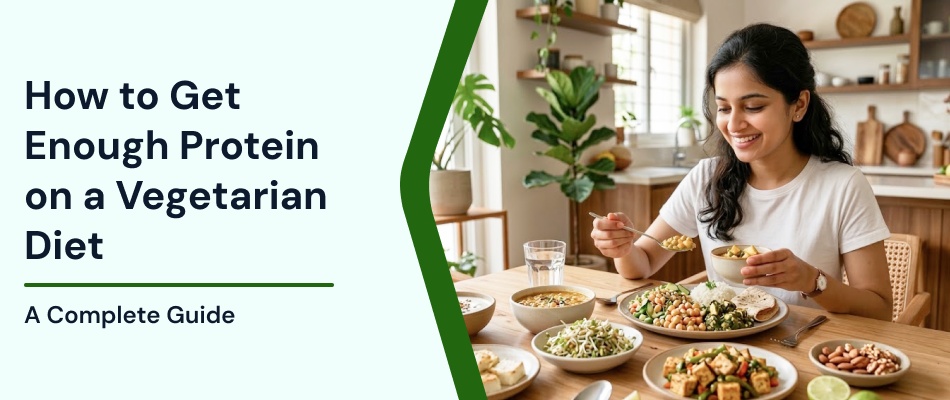
Many people think vegetarians struggle to eat enough protein. The truth is simpler. Plant-based eating provides plenty of protein, if you know where to find it.
Whether you follow a vegetarian diet for health, environmental, or personal reasons, protein remains essential. Muscles, hormones, and immune cells all depend on it. This guide from the Institute of Nutrition and Fitness Sciences (INFS) explains how to build adequate protein intake on a vegetarian diet and provides foundational preventive health education for sustainable vegetarian nutrition.
What Is A Vegetarian Diet?
A vegetarian diet excludes meat, poultry, eggs and fish. A few avoid animal products entirely (vegans). The definition varies by individual.
World Vegetarian Day, celebrated on October 1st, marks the start of Vegetarian Awareness Month. The month raises awareness about the benefits of a vegetarian diet and encourages people to explore plant-based eating. Whether you observe it or simply explore vegetarianism, understanding how to meet nutritional needs is key.
Benefits Of A Vegetarian Diet
Research shows multiple reasons people choose vegetarian eating.
Health Benefits:
- May be associated with lower risk of heart disease
- May help reduce high blood pressure in some individuals
- May lower risk of type 2 diabetes when combined with overall healthy habits
- Plant-based eating tends to be higher in fiber, antioxidants, and phytonutrients
Digestive and Energy Benefits:
- Digestive health may improve with higher fiber intake; this connection between gut health and nutrition can strengthen overall wellbeing
- Energy levels may stabilize with balanced whole-grain and legume intake
- Weight management may become easier with plant-based foods when portion sizes are controlled
Long-Term Health Impact:
- Long-term vegetarians may experience lower chronic disease risk, though individual results vary based on overall diet quality and lifestyle
Protein Sources For Vegetarians
Finding the best source of protein for vegetarian diets means understanding that protein comes from legumes, grains, nuts, seeds and dairy. Variety is key.
Legumes (Most Protein-Dense Plant Foods):
- Lentils (18 g protein per cooked cup)
- Chickpeas offer 15 g of protein per cooked cup
- Rank among the most protein-dense plant foods
Whole Grains:
- Contribute protein alongside fiber
- Quinoa provides 8 grams per cooked cup and contains all nine amino acids on its own
- Balance grain-based meals with legumes for complete amino acid profiles
Nuts and Seeds:
- Deliver protein plus healthy fats
- Almonds offer 6 grams of protein per ounce
- Combine with dairy products to create complete amino acid profiles
Dairy :
- Greek yogurt provides 15-20 g of protein per serving
- Easily combine with grains or legumes for complete amino acid profiles
Combining Sources Intentionally:
- Pair legumes with grains for complete proteins
- Combine nuts with dairy products for complete amino acid profiles
- Varied intake across the day ensures all nine essential amino acids
Plant-Based Nutrition Tips For Complete Protein
Getting enough protein for vegetarian diets requires strategy. These practical approaches simplify meeting daily protein targets:
Combine Foods Intentionally
- Pair grains with legumes to create complete proteins with all nine essential amino acids
- Example: rice and beans, whole wheat bread and hummus
Spread Protein Throughout Your Day
- Dont concentrate protein at one meal
- Include protein at each eating occasion (breakfast, lunch, snacks, dinner)
Prepare Legumes in Bulk
- Cook a large batch and refrigerate portions for the week
- Use in salads, grain bowls, and soups throughout the week
Include Nuts and Seeds Daily
- Even small additions accumulate to meaningful protein intake
- Add to oatmeal, salads, yogurt, or eat as snacks
What Vitamins Are Important For Vegetarians?
While protein is foundational for a vegetarian diet, other nutrients deserve equal attention.
Vitamins and minerals work alongside protein to build and maintain your body: B12 helps your body use amino acids, iron carries oxygen to protein-dependent muscles, zinc enables protein synthesis, and omega-3s reduce inflammation affecting protein absorption.
Some nutrients are harder to get on a vegetarian diet. Knowing how they work together prevents deficiency.
- Vitamin B12 only comes from animal products or fortified foods. Vegetarians eating dairy and eggs typically get adequate B12. Vegans require fortified plant milks, nutritional yeast, or supplements. Blood testing confirms status.
- Iron appears in plant foods but in a form bodies absorb less efficiently than iron from meat. Combine iron-rich plants (lentils, spinach, fortified cereals) with vitamin C sources (citrus, peppers, tomatoes) to boost absorption. Vegetarians need roughly 1.8 times more dietary iron than meat-eaters.
- Vitamin D production depends on sunlight exposure and dietary sources. Include fortified dairy, egg yolks, or mushrooms exposed to sunlight. Many vegetarians benefit from supplementation, especially in winter months or with limited sun exposure.
- Zinc absorption from plants lags behind animal sources. Include legumes, nuts, seeds, and whole grains regularly. Soaking and sprouting legumes and grains increases zinc bioavailability.
- Omega-3 fatty acids exist in plant form (ALA in flaxseeds, chia seeds, walnuts) but convert inefficiently to the most useful forms (EPA and DHA). Consider algae-based supplements if you dont regularly consume these seeds.
Key Takeaways
- A vegetarian diet excludes meat, poultry, and fish but includes dairy, legumes, grains, nuts, and seeds, all adequate sources of protein for vegetarians.
- Benefits of a vegetarian diet include lower risk of chronic disease, better weight management, improved gut health and nutrition, and positive environmental impact.
- Combine grains with legumes to create complete proteins containing all nine essential amino acids.
- Spread protein across meals and snacks rather than concentrating it at one meal.
- Plant-based nutrition tips include bulk cooking legumes, adding nuts and seeds daily, and intentionally pairing complementary foods.
- What vitamins are important for vegetarians? B12, iron, vitamin D, zinc, and omega-3s require attention or supplementation.
- The environmental impact of vegetarianism includes lower resource consumption, reduced greenhouse gas emissions, and decreased water use compared to meat-based diets.
Learn More
Explore INFSs best nutrition and fitness certification online to deepen your nutrition knowledge :
- Certified Nutritionist Course : Master comprehensive nutrition science including plant-based diet planning, micronutrient assessment, and protein for vegetarian populations.
- Sports Nutrition Course : Learn how vegetarian athletes optimize protein intake and performance.
- Basic Course in Nutrition and Fitness : Build foundational knowledge in plant-based nutrition principles.
Visit infs.com/courses today.
Frequently Asked Questions
1. How Much Protein Do Vegetarians Need Daily?
Most adults need 0.8 grams per kilogram of body weight daily. Athletes and older adults may need more. Spread intake across meals rather than consuming all protein at once. Blood testing and nutrition assessment help determine individual needs.
2. Can Vegetarians Build Muscle?
Yes. Adequate protein, resistance training, and overall calorie balance build muscle on vegetarian diets. Many vegetarian athletes successfully gain muscle using plant-based protein sources combined with dairy and eggs.
3. Are Plant-Based Proteins Complete?
Some plants like quinoa contain all nine essential amino acids. Most individual plant foods lack one or more amino acids. Combining complementary foods (grains with legumes) creates complete proteins. Over the course of a day, varied plant intake provides complete amino acid profiles.
4. What Are The Highest Protein Foods For Vegetarians?
Lentils deliver high protein and fiber. Chickpeas provide versatile nutrition for salads and curries. Quinoa offers complete protein in grain form. Greek yogurt supplies complete protein and probiotics. Almonds and cheese deliver protein and healthy fats.
5. Should Vegetarians Take Supplements?
B12 supplementation is recommended for all vegetarians unless consuming fortified foods regularly. Vitamin D, iron, zinc, and omega-3 supplementation depends on dietary intake and blood testing. Work with a healthcare provider to identify specific needs.
6. Is A Vegetarian Diet Healthy For Kids?
Yes, when well-planned. Children need adequate protein, iron, B12, calcium, and vitamin D. Include varied legumes, whole grains, dairy, nuts, and seeds. Regular medical check-ups and age-appropriate supplementation ensure healthy development.
7. Does World Vegetarian Day Have Specific Activities?
World Vegetarian Day (October 1st) launches Vegetarian Awareness Month. Many communities host educational events, cooking demonstrations, and plant-based restaurant promotions. The day encourages conversation about benefits of a vegetarian diet and environmental sustainability.
8. How To Get 100g Of Protein Per Day On A Vegetarian Diet?
Combine multiple sources: Greek yogurt (20g) + lentil curry (18g) + chickpea salad (15g) + paneer (15g) + almonds (6g) + quinoa (8g) + cottage cheese (14g) + cheese (4g) reaches 100g. Individual needs vary; work with a nutritionist for personalized targets.
9. How To Get 70g Of Protein A Day?
Spread across meals: breakfast with Greek yogurt, granola, and nuts (15g) + lunch with legume-based dish (20g) + snack of cottage cheese and almonds (15g) + dinner combining grains and legumes (20g). Adjust portions based on individual needs. Work with a nutritionist for personalized guidance.
10. What Vegetarian Dishes Are High In Protein?
Dal (lentils) with rice provides complete protein. Chickpea curry with roti offers 15-20g per serving. Greek yogurt bowls with granola and nuts deliver 20+g. Cheese and vegetable omelettes provide 12-15g. Paneer tikka masala combines paneer (25g per 100g) with dal for high-protein meals.
11. Is Paneer A Good Source Of Protein For Vegetarians?
Yes. Paneer provides 25 grams of protein per 100 grams, making it one of the highest-protein dairy options for vegetarians. It also supplies calcium and can be easily incorporated into curries, stir-fries, or grilled dishes. Pair with vegetables and whole grains for balanced meals.
12. Is Tofu A Good Source Of Protein For Vegetarians?
Yes. Firm tofu provides 15-19 grams of protein per 100 grams. Its versatile, absorbs flavors well, and works in stir-fries, curries, and salads. Combine with other protein sources like legumes or dairy for complete amino acid profiles and variety.
13. Are Soya Chunks A Good Source Of Protein For Vegetarians?
Yes. Dried soya chunks contain 12 grams of protein per 30g serving (before cooking). Theyre affordable, shelf-stable, and easily rehydrate for curries, stir-fries, or rice dishes. Combine with legumes or dairy to ensure all nine essential amino acids.
14. Should I Take Protein Powder As A Vegetarian?
Protein powder is optional, not essential. If youre meeting protein targets through food (legumes, dairy, grains), you dont need it. Consider powder if you struggle to eat enough protein, have a busy schedule, or want convenient post-workout nutrition. Choose whey-based or plant-based powders (pea, rice blend) and check ingredients for quality. Work with a nutritionist to determine if you actually need supplementation.
15. Is Quinoa A Complete Protein For Vegetarians?
Quinoa provides 8 grams of protein per cooked cup and contains all nine essential amino acids, making it one of the few grains that function as a complete protein. Its versatile and works in salads, pilafs, or as a rice substitute. Combine with legumes or dairy for additional protein variety and meal satisfaction.
16. Are Hemp Seeds A Good Protein Source For Vegetarians?
Yes. Hemp seeds provide 10 grams of protein per 3 tablespoons and contain all nine essential amino acids. They also supply omega-3 fatty acids. Sprinkle on salads, oatmeal, yogurt, or smoothies. While convenient, theyre calorie-dense, so use portion control.
17. How Much Protein Do Chickpeas Provide For Vegetarians?
Cooked chickpeas deliver 15 grams of protein per cooked cup, making them one of the highest-protein legumes. Theyre also rich in fiber and affordable. Use in curries, salads, hummus, or roasted as snacks. Pair with whole grains (rice, bread) to create complete proteins with all nine amino acids.
Disclaimer
This article is for educational purposes only and does not replace professional medical advice. Always consult a qualified healthcare provider or registered dietitian before making significant dietary changes, especially if you have nutrient absorption issues or pre-existing medical conditions.
References
- Hunt JR. Bioavailability of iron, zinc, and other trace minerals from vegetarian diets. Am J Clin Nutr. 2003 Sep;78(3):633S-639S. https://academic.oup.com
- Clarys P, Deliens T, Huybrechts I, et al. Comparison of Nutritional Quality of the Vegan, Vegetarian, Semi-Vegetarian, Pesco-Vegetarian and Omnivorous Diet. Nutrients. 2014;6(3):1318-1332.
https://www.mdpi.com/
- Melina V, Craig W, Levin S. Position of the Academy of Nutrition and Dietetics: Vegetarian Diets. J Acad Nutr Diet. 2016;116(12):1970-1980. https://jandonline.org
- Sebastiani G, Barbero AH, Borrás-Novell C, et al. The effects of vegetarian and vegan diet during pregnancy on the health of mother and baby. J Dev Orig Health Dis. 2019;10(3):389-402.
https://www.cambridge.org
- Regeneration International. Environmental Impact of Vegetarianism. https://www.regenerationinternational.org/