
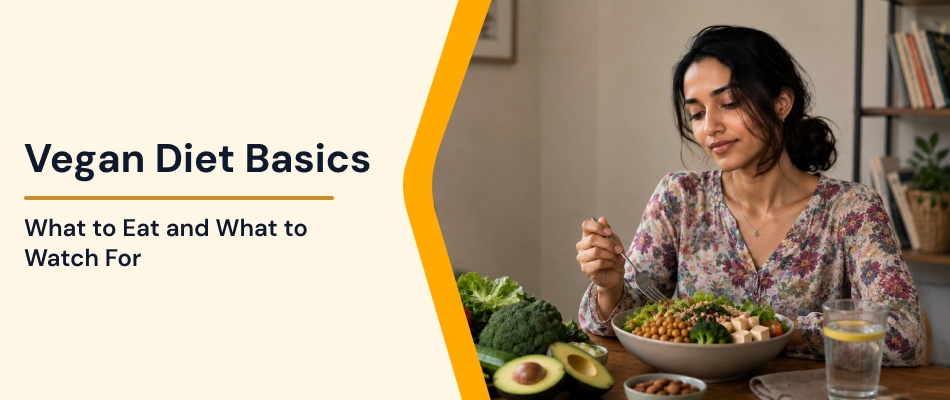
Vegan food and Veganism is always coming up in discussions today. It has evolved into a global movement. Its also driven by health, environmental, and ethical concerns. So what is vegan food basically ? A vegan diet excludes all animal-derived foods: meat, poultry, fish, eggs, dairy, and honey.
When appropriately planned, a vegan diet can meet nutritional requirements across all life stages. The Academy of Nutrition and Dietetics confirms this. Well-planned vegan diets are nutritionally adequate and can offer protective effects against obesity, cardiovascular disease, hypertension, and type 2 diabetes.
At the Institute of Nutrition and Fitness Sciences (INFS), we know that vegan diet basics can feel overwhelming. This guide breaks down everything you need to know about plant-based eating, key nutrients, and how to build a healthy vegan lifestyle.
What Is a Vegan Diet?
Foods to Include in Vegan Diet
A vegan diet is the most restrictive form of plant-based eating, excluding all foods and ingredients obtained from animals. Unlike vegetarian diets which may include dairy products or eggs, a vegan diet is based exclusively on plant-derived foods.
Foods typically consumed in a vegan diet include:
- Vegetables
- Fruits
- Whole grains
- Legumes
- Pulses
- Soy products
- Nuts
- Seeds
- Herbs and spices
- Plant-based beverages
- Fortified foods [foods with added nutrients like vitamin B12, vitamin D, and calcium, for example, fortified plant-based milk or fortified cereals]
Which foods to eliminate in a vegan diet?
Vegan diets eliminate red meat, poultry, fish and seafood, eggs, milk and dairy products, cheese and butter, honey, gelatin, and other animal-derived ingredients.
From a nutritional perspective, vegan diets are naturally rich in dietary fiber, complex carbohydrates, vitamins, minerals, antioxidants, and phytochemicals.
These bioactive compounds reduce systemic inflammation, improve gut microbiota diversity, and lower oxidative stress. Together, these effects support better long-term health outcomes.
Nutrition of a Vegan Diet
Compared with omnivorous diets, balanced vegan diets provide:
- Higher dietary fiber intake
- Greater consumption of fruits and vegetables
- Increased potassium and magnesium
- Higher levels of folate and vitamin C
- Greater intake of antioxidant compounds like polyphenols and carotenoids
- Lower saturated fat
- Lower dietary cholesterol
How fiber supports your health:
- Supports bowel regularity and improved digestive health
- Promotes growth of beneficial gut bacteria
- Fermentation of dietary fiber produces short-chain fatty acids, which reduce inflammation and improve metabolic health
Phytochemicals in plant-based foods:
Plant-based foods contain phytochemicals including flavonoids, carotenoids, glucosinolates, and phenolic acids. These compounds have antioxidant and anti-inflammatory properties and may help prevent chronic diseases.
Health Benefits of a Well-Planned Vegan Diet
Supports Cardiovascular Health
Vegan diets are lower in saturated fat and dietary cholesterol while providing more soluble fiber, phytosterols, and unsaturated fats. Soluble fiber (found in oats, barley, beans, and lentils) binds bile acids in the intestine. This helps your body excrete cholesterol and lowers LDL cholesterol levels.
Research shows that people following plant-based diets have lower LDL cholesterol, lower total cholesterol, reduced blood pressure, and lower risk of heart disease.
May Reduce Type 2 Diabetes Risk
Vegan diets are rich in whole grains, legumes, vegetables, and fruits. These foods have high fiber content and low glycemic load (meaning they dont spike blood sugar quickly). Dietary fiber slows how fast your body absorbs glucose, improving blood sugar control. Magnesium-rich plant foods also enhance insulin sensitivity.
Supports Healthy Weight Management
People following balanced vegan diets tend to have lower body mass index than those eating omnivorous diets. Dietary fiber increases satiety (feeling full longer). Plant foods have lower energy density (fewer calories per serving). Eating more whole foods naturally reduces excess calorie intake. Clinical trials show participants on low-fat vegan diets experience meaningful weight loss without strict calorie counting.
Promotes Gut Health
Plant-based diets provide abundant prebiotic fibers that feed beneficial gut bacteria. When your intestinal bacteria ferment these fibers, they produce short-chain fatty acids. These fatty acids maintain intestinal barrier integrity and help regulate your immune response.
Provides Powerful Antioxidants
Plant foods contain numerous biologically active compounds including polyphenols, carotenoids, flavonoids, anthocyanins, and glucosinolates. Colorful fruits, vegetables, herbs, legumes, and whole grains provide diverse antioxidants that support cellular health and protect against damage.
Beginner Vegan Food List: What Should You Eat?
A balanced vegan diet should include a variety of foods from different plant-based food groups.
Vegetables: Include a variety of colors, green leafy vegetables like spinach, kale, and broccoli; orange vegetables like carrots and sweet potatoes; red vegetables like tomatoes and peppers; purple vegetables like beetroot and cabbage.
Fruits: Provide vitamin C, potassium, fiber, and protective phytochemicals. Citrus fruits, berries, guava, papaya, and kiwi are particularly rich in antioxidants.
Whole Grains: Provide sustained energy, fiber, B vitamins, and minerals. Examples include brown rice, oats, whole wheat, quinoa, barley, and millets.
Legumes: Among the most important foods in vegan nutrition, legumes provide protein, iron, zinc, magnesium, folate, and fiber. Excellent choices include lentils, chickpeas, kidney beans, black beans, green peas, and soybeans.
Plant-Based Protein Sources
Protein is one of the most common concerns when starting a vegan diet. However, meeting protein requirements is achievable when meals include a variety of plant-based protein sources.
Important protein sources include:
- Lentils: 18 g per cup
- Chickpeas: 15 g per cup
- Tofu: 12-15 g per 100g
- Tempeh: 19-21 g per 100g
- Soy milk: 7-8 g per cup
- Quinoa: 8 g per cup
- Pumpkin seeds: 8-9 g per 30g
Nutrients to Watch For on a Vegan Diet
Although vegan diets can be nutritionally complete, nutrient deficiencies on a vegan diet require attention and proper planning.
Vitamin B12: This is the most important nutrient requiring supplementation because reliable plant sources are limited. Deficiency can cause anemia, fatigue, and neurological problems. Vegans should consume B12-fortified foods or supplements regularly.
Iron: Plant foods contain non-heme iron, which is absorbed less efficiently than animal-derived iron. Good sources include lentils, beans, spinach, pumpkin seeds, and tofu. Vitamin C-rich foods improve iron absorption.
Omega-3 Fatty Acids: Plant sources provide alpha-linoleic acid (ALA), including flaxseeds, chia seeds, walnuts, and hemp seeds. Some individuals may benefit from algae-derived DHA supplements.
Calcium and Vitamin D: Calcium supports bone health from fortified plant milk, calcium-set tofu, sesame seeds, and leafy greens. Vitamin D may require supplementation, particularly with limited sunlight exposure.
Zinc and Iodine: Zinc supports immunity from legumes, nuts, seeds, and whole grains. Iodine intake may be inadequate without iodized salt, an important dietary source.
Important Note: Dont self-medicate or self-supplement without professional guidance. Consult a registered dietitian or healthcare provider to determine which supplements you actually need based on your individual health status, blood work, and dietary intake.
Practical Tips for Vegan Diet Beginners
Starting a vegan diet does not need to happen overnight.
- Replace one meal at a time with plant-based options
- Include a protein source at every meal
- Learn simple recipes using beans, lentils, tofu, and vegetables.
- Use fortified foods where necessary
- Take vitamin B12 supplementation (in consultation with doctor )
- Increase fiber gradually to prevent digestive discomfort.
Key Takeaways
- Vegan diets exclude all animal-derived products but provide essential nutrients when properly planned
- Include diverse plant foods: vegetables, fruits, whole grains, legumes, nuts, and seeds
- Plant-based protein sources meet daily protein requirements when varied
- Essential vitamins for vegans require careful attention, especially B12, iron, and vitamin D
- Nutrient deficiencies on a vegan diet are preventable with informed food choices
- Start gradually and supplement where necessary for long-term success
Learn More
Explore INFSs Certified Nutritionist Course to master plant-based nutrition science and help clients thrive on vegan diets. Visit infs.com/courses to start building expertise in nutritional counseling today.
Frequently Asked Questions
- What are the 5 most important rules of a vegan diet?
Focus on whole plant foods, ensure adequate protein intake, supplement vitamin B12, vary your food choices for nutrient diversity, and increase fiber gradually to prevent digestive discomfort.
- What is not allowed on a vegan diet?
Vegans avoid all meat, poultry, fish, eggs, dairy products, honey, gelatin, and other animal-derived ingredients. Focus on what you can eat rather than restrictions.
- How to start a vegan diet for beginners?
Replace one meal at a time with plant-based options, include protein at every meal, learn simple recipes, use fortified foods where necessary, and increase fiber gradually.
- What do vegans eat for protein?
Plant-based protein sources include lentils, chickpeas, tofu, tempeh, soy milk, quinoa, pumpkin seeds, beans, nuts, and seeds. Combining different sources ensures complete amino acid profiles.
- Is eating vegan actually healthy?
Yes, when appropriately planned. A vegan diet can meet nutritional requirements and offers protective effects against obesity, cardiovascular disease, and type 2 diabetes. However, being vegan doesnt automatically mean healthy, refined vegan foods and processed meat alternatives lack the benefits of whole plant foods. Focus on vegetables, fruits, legumes, whole grains, nuts, and seeds while supplementing B12. Always consult a medical professional before changing diets.
- What is the 30/30/30 rule for vegans?
The 30/30/30 rule is a popular routine which means consuming 30 grams of plant-based protein within 30 minutes of waking up, followed by 30 minutes of low-intensity exercise like a brisk walk. This approach aims to stabilize blood sugar, improve metabolism, and support weight management. While some research supports high protein intake and morning movement for metabolic health, individual results vary. Consult a registered dietitian to see if this fits your personal nutrition and fitness goals.
- Can I lose 10 kg in 30 days with vegan diet?
Losing 10 kg in 30 days is unsafe and unrealistic. Healthy weight loss is typically 0.5-1 kg per week. A vegan diet can support weight loss through higher fiber intake and lower calorie density of plant foods, but results depend on individual metabolism, exercise, and overall calorie intake. Consult a healthcare provider before starting any rapid weight loss program.
- What happens when you go vegan for 30 days?
Changes vary by individual. You may notice improved digestion, increased energy, clearer skin, or initial weight loss. However, some people experience digestive adjustment as fiber intake increases. B12 levels dont drop in 30 days, but long-term planning is essential. If you experience persistent fatigue or digestive issues, consult a healthcare provider.
- What is the best vegan diet to lose weight?
Theres no single "best" vegan diet: it depends on your lifestyle, food preferences, and health status. Generally, focus on whole plant foods (vegetables, fruits, legumes, whole grains, nuts, seeds), limit processed vegan products and added oils, include adequate protein at each meal, and create a moderate calorie deficit through diet and exercise. Work with a registered dietitian to create a personalized plan.
- Is intermittent fasting safe for vegans?
Intermittent fasting with a vegan diet can work, but it needs careful planning. Plant-based proteins require more food to meet your daily needs, so eating in a short time window is hard. Some vegans do this successfully; others feel tired. Talk to a dietitian before starting to make sure its safe for you.
- Is a vegan diet good for weight loss?
Yes, but with planning and monitoring. . Plant-based foods have fewer calories, more fiber (keeps you full longer), and less saturated fat. Studies show vegans tend to weigh less than meat-eaters. But weight loss depends on how many total calories you eat and how much you exercise. Choose whole plant foods, not processed vegan junk food. A dietitian can help create a plan for you.
- Is a vegan diet good for diabetes?
Yes generally. Plant-based diets help prevent and manage type 2 diabetes. Theyre high in fiber and dont spike blood sugar quickly, which improves blood sugar control. But this only works with whole plant foods, not processed vegan products. If you have diabetes, work with your doctor and dietitian to monitor your blood sugar.
- Is a vegan diet good for blood pressure?
Yes, generally. Vegan diets lower blood pressure naturally. They have less sodium and saturated fat, and more potassium and magnesium,nutrients that help control blood pressure. If you have high blood pressure, a plant-based diet can help. Keep checking your blood pressure and talk to your doctor before making big diet changes.
- Is a vegan diet good for heart health?
Yes. Plant-based diets are excellent for your heart. They lower bad cholesterol (LDL), reduce blood pressure, decrease inflammation, and lower heart disease risk. This happens because vegan diets have more fiber and antioxidants, and less saturated fat. If you have heart disease, talk to your cardiologist about your vegan diet plan.
Disclaimer
This article is for educational purposes only and should not replace professional medical advice. Always consult a qualified healthcare provider or certified nutrition specialist before making significant changes to your diet.
References
Melina, V., Craig, W., & Levin, S. (2016). Position of the Academy of Nutrition and Dietetics: Vegetarian Diets. Journal of the Academy of Nutrition and Dietetics, 116(12), 1970–1980. https://pubmed.ncbi.nlm.nih.gov
Silva, Y. P., Bernardi, A., & Frozza, R. L. (2020). The Role of Short-Chain Fatty Acids From Gut Microbiota in Gut-Brain Communication. Frontiers in Endocrinology, 11, 25. https://www.frontiersin.org/
Satija, A., & Hu, F. B. (2018). Plant-based diets and cardiovascular health. Trends in Cardiovascular Medicine, 28(7), 437–441.
Qian, F., Liu, G., Hu, F. B., Bhupathiraju, S. N., & Sun, Q. (2019). Association Between Plant-Based Dietary Patterns and Risk of Type 2 Diabetes: A Systematic Review and Meta-analysis. JAMA Internal Medicine, 179(10), 1335–1344.